Aircast Stirrup Ankle Brace Review: Is It Worth It?
Read our research-based aircast stirrup ankle brace review. See features, pros and cons, who should buy it, and how it compares to alternatives before you order
 By Graham Fisher
Updated November 8, 2026
 By Graham Fisher
Updated November 2026
The aircast stirrup ankle brace is a semi-rigid, lace-up support designed for people dealing with ankle sprains, chronic instability, and recovery after certain surgical procedures. It is best suited to players and everyday users who need firm lateral support and a brace they can wear under a shoe with minimal fuss. It is a weaker match for anyone who needs maximum immobilization after a serious fracture or a complete ligament rupture, and for athletes who want a low-profile sleeve they can wear for long sessions without any hard plastic. The sections below look at the product’s construction, its listed specifications, the common strengths and complaints owners report, and how it stacks up against a closely related Aircast model.
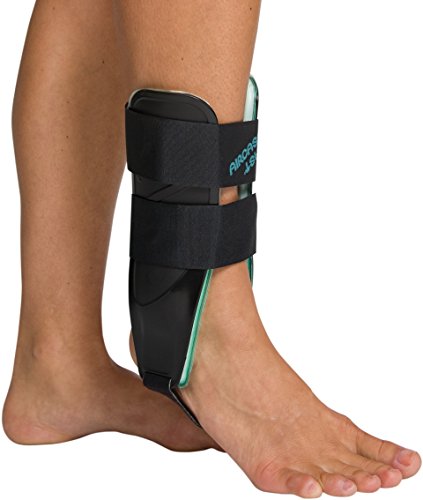
Aircast Air-Stirrup Ankle Brace for Acute Injury, Post Op, Ankle Sprains, Chronic Instability | Can Aid in Reducing Swelling and Preventing Further Injury | Universe
Product Overview
The Aircast Air-Stirrup Ankle Brace is listed as a brace for acute injury, post-operative use, ankle sprains, and chronic instability. The product name indicates that it is intended to help with swelling reduction and to guard against re-injury. Aircast is a long-established name in orthopedic bracing, and the Air-Stirrup line is among the more widely recognized designs in the category. The brace uses an inflatable air cell along the sides of the ankle, paired with a stirrup-style strap that wraps around the back of the heel and runs up the front of the lower leg.
Unlike a rigid walking boot, the Air-Stirrup is meant to fit inside a standard athletic or work shoe. That makes it more practical for people who need to stay mobile during rehabilitation. It is also used by some people as a supportive layer during return-to-activity phases, though anyone returning to competitive play should follow the guidance of their physician or physical therapist.
Owners generally describe the brace as a middle option: more structured than a simple elastic sleeve, but less restrictive than a full cast or boot. Many say the air cells provide a sense of compression that feels supportive during standing and short walks, while others find the fit more sensitive to lacing tension than they expected.
Key Features & Specifications
The table below lists the characteristics that are reflected in the product name and commonly described in the product category. Where exact measurements or materials were not confirmed for this specific listing, they are left out rather than estimated.
| Feature | Details |
|---|---|
| Brand | Aircast |
| Model line | Air-Stirrup Ankle Brace |
| Intended uses | Acute injury, post-operative support, ankle sprains, chronic instability |
| Support style | Stirrup-style semi-rigid brace with lateral support |
| Air cell system | Inflatable air cells along the sides of the ankle |
| Wear location | Fits inside most standard athletic and work shoes |
| Claimed benefits | Swelling reduction and help in preventing further injury |
| Closure | Strap and lacing system with stirrup support |
Before buying, check the sizing chart on the listing against your shoe size and your ankle circumference measured at the widest point above the malleoli. Manufacturers typically specify fit by these measurements rather than by shoe size alone. Your physician or fitter can confirm the correct size if you are using the brace after an injury or surgery.
Pros & Cons
Pros
- Semi-rigid stirrup design gives firmer lateral support than a basic compression sleeve.
- Fits inside most standard athletic shoes, which supports daily mobility.
- Air cell system is widely described by owners as comfortable for extended wear.
- Aircast is a well-known name in orthopedic bracing with a broad range of related products.
- Listed for multiple uses, including acute injury, post-operative care, and chronic instability.
Cons
- Fit is sensitive to lacing tension, and some users need a few adjustments before it feels right.
- Not a substitute for rigid immobilization after fractures or severe ligament injuries.
- Bulkier than a low-profile sleeve, which can make some narrow shoes feel tight.
- Air cells may need periodic checking to confirm they hold their shape over time.
- Sizing requires accurate measurement; a wrong size can reduce its effectiveness.
Performance Analysis
Performance for an ankle stirrup brace depends on three things: how well it limits unwanted inversion and eversion, how comfortably it stays in place during movement, and how easily it can be adjusted as swelling changes. Based on the listed design and the patterns that appear most often in owner discussions, the Air-Stirrup seems to perform best in the first two areas. The stirrup strap helps hold the heel and lower ankle in position, and the air cells add a compressive feel that many people associate with reduced swelling.
Owner feedback often points to a learning curve. The brace tends to feel most secure when the strap is snug but not restrictive, and when the lacing is tightened in stages rather than all at once. People who wear it during the first days of an injury sometimes report that they need to loosen it as swelling decreases. This is normal for compressive devices and is a reason to check circulation regularly, including color, warmth, and sensation in the toes.
In terms of mobility, the brace is generally described as allowing normal walking and light daily activity. It is not designed to replace the stability a player builds through balance training, strength work, and proprioceptive exercises. Anyone using it for sport should plan to pair it with a structured rehabilitation program. Physical therapists often recommend gradual loading and balance drills, and a brace is most useful as one part of that plan rather than as a standalone fix.
Who Should Buy This Product?
This brace is a good fit for adults who have been advised by a clinician to use a stirrup-style support for a sprain, chronic instability, or post-operative recovery. It also suits people who want firmer side-to-side support than a simple sleeve provides and who need to keep walking and working during the day. Basketball players, hikers, and workers on their feet may find it useful when they are cleared for activity but still feel unstable.
It is less suitable for people who need complete immobilization, such as those with a suspected fracture, a major ligament tear that has not been evaluated, or a post-operative case where the surgeon has specified a boot or cast. Anyone with circulation problems, diabetes-related foot concerns, or skin sensitivity should talk with a medical professional before using a compressive brace. If pain, numbness, or swelling worsens, stop using the brace and seek medical care.
Buying Guide
When choosing an ankle stirrup brace, start with the purpose. A brace for a mild sprain during the early recovery phase has different needs than a brace for long-term chronic instability during sports. Next, confirm the size using the manufacturer’s chart. Measure your ankle circumference and compare it against the listed range, rather than relying on your shoe size. Finally, consider how the brace will fit inside your footwear. A bulkier brace may be fine for work boots but cramped in a low-cut court shoe.
If you are comparing options, the Aircast Airsport Ankle Brace is a closely related model from the same brand. It is commonly described as built for chronic ankle instability and for sprains, strains, and tendon issues, and it is often mentioned for durability and comfort during sport.
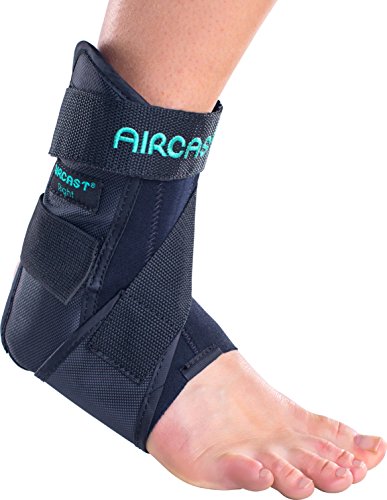
Aircast Airsport Ankle Brace for Chronic Ankle Instability, Sprained Ligaments and Strained Muscles or Tendons | Durable and Comfortable| RIGHT, Medium
Players who want a supportive brace for court play may also look at the wider range of basketball-focused designs. Our guide to 8 Best Ankle Braces for Basketball Players (2026) compares several options for lateral movement and jumping. For a broader look at stirrup and semi-rigid styles, Sport Ankle Support Brace: 5 Best Picks for Sprains and Sports (2026) covers additional choices. If you are weighing a lighter option, Soft Brace for Ankle: 6 Best Picks for Support and Sports (2026) explains the trade-offs between soft and semi-rigid designs.
A third style worth considering is a rigid-plus-strap design often used by athletes with more significant instability. Our overview of Bioskin Trilok Ankle Brace: Fit, Support and Use Guide for Basketball explains how that style fits into a sport routine. For a detailed sizing approach, see Ankle Brace for Rolled Ankle: 5 Best Picks for Support and Recovery (2026), which covers measurement and fit in more depth.
FAQ
Can I wear an aircast stirrup ankle brace all day?
Many people wear semi-rigid braces during the day while they are active, but how long you wear it should follow your clinician’s advice. Remove it at night unless your provider says otherwise, and check your skin and toes for signs of pressure or poor circulation.
Does this brace fit inside regular shoes?
The design is intended to fit inside standard athletic and work shoes. Check your shoe’s internal width and depth before wearing it, especially if the shoe is narrow or low-cut.
Is this brace good for a fractured ankle?
No. A suspected fracture requires medical evaluation and often a boot or cast. A stirrup brace should not be used as a substitute for immobilization that your doctor has prescribed.
How do I know if my size is correct?
Measure your ankle circumference at the widest point above the ankle bones and compare it with the manufacturer’s sizing chart. The brace should feel snug and supportive without causing numbness, tingling, or color change in the foot.
Can I play basketball while wearing it?
Only after you have been cleared to return to play by a qualified provider. The brace can support return-to-sport activity, but it does not replace a rehabilitation program focused on strength and balance.
How often should I check the air cells?
Check them periodically for firmness and any signs of leaking or deformation. If the brace no longer holds its shape or support feels reduced, contact the manufacturer or your provider about replacement options.
How should I clean the brace?
Follow the care instructions included with your brace. Typically, wiping the surfaces with a damp cloth and letting it air dry fully is recommended, and you should avoid harsh chemicals that could degrade the materials.
When should I stop using the brace and see a doctor?
Stop wearing it and seek care if you notice increasing pain, numbness, tingling, color changes, or swelling that gets worse. These symptoms can indicate a problem that needs professional evaluation.
Final Verdict
The Aircast Air-Stirrup Ankle Brace is a practical choice for people who need firmer lateral support than a basic sleeve offers, especially during the later stages of sprain recovery or for ongoing instability. Its ability to fit inside everyday footwear and its air cell design make it a reasonable option for people who want to stay mobile. It is not the right tool for fractures or serious ligament injuries that require immobilization, and it works best when paired with a structured rehab plan and clinician guidance. If your provider has recommended a stirrup-style support and your measurements fall within the sizing chart, it deserves a close look. View on Amazon
About Graham Fisher
Graham Fisher is part of our editorial team and reviews and edits our basketball endurance & training gear guides, checking product details against manufacturer specifications and owner feedback.
About the author
Graham Fisher writes reviews and buying guides for Basketball Marathon.