4 Best Aircast Ankle Support Brace Options for Sprains and Support (2026)
Compare four Aircast ankle support brace models for sprains, instability and post-injury support. Specs, pros, cons and buying tips to help you choose.
 By Graham Fisher
Updated November 8, 2026
 By Graham Fisher
Updated November 2026
Shopping for an aircast ankle support brace can be confusing, because the Aircast line includes several designs built for different stages of injury and different levels of activity. This guide compares four models from the Aircast lineup, focusing on what each one is built for: chronic instability, acute sprains, post-operative support and a dedicated heel-and-arch design. The selection criteria were specifications published by the manufacturer, the brand’s reputation in sports medicine settings, and the patterns owners commonly describe about fit, comfort and support during everyday wear.
Our top picks at a glance
- 1TOP CHOICEBest overallAircast Airsport Ankle BraceView on Amazon
- 2
 Best for acute swelling and post-op useAircast Air-Stirrup Ankle BraceView on Amazon
- 3
 Best for heel and arch supportAircast AirHeel Ankle Support BraceView on Amazon
- 4
 Best for PTTD and larger framesAircast Airlift PTTD Ankle Support BraceView on Amazon
Our Top Picks
Quick Comparison
| Product | Best for | Key feature |
|---|---|---|
| Aircast Airsport Ankle Brace | Chronic ankle instability and sprained ligaments | Durable, comfortable design with a right-foot, medium size option |
| Aircast Air-Stirrup Ankle Brace | Acute injury, post-op and swelling control | Universal fit with a stirrup-style support structure |
| Aircast AirHeel Ankle Support Brace | Heel and arch support without stabilizers | Lightweight heel-focused support in a medium size |
| Aircast Airlift PTTD Ankle Support Brace | Posterior tibial tendon dysfunction and larger ankles | Right-foot, large size with arch support design |
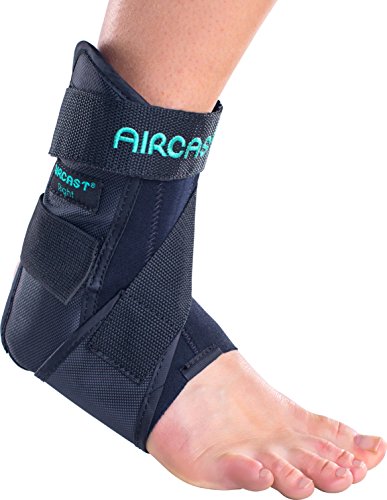
Aircast Airsport Ankle Brace
Aircast Airsport Ankle Brace for Chronic Ankle Instability, Sprained Ligaments and Strained Muscles or Tendons | Durable and Comfortable| RIGHT, Medium
Best for: Chronic ankle instability, sprained ligaments and strained muscles or tendons
This brace suits people who have recurring ankle rolls or a history of sprains and want lateral support during sport or daily activity. It is sized here as a right-foot, medium brace.
Key specs
- Right foot, medium size
- Designed for chronic instability, sprained ligaments and strained muscles or tendons
- Marketed as durable and comfortable for extended wear
Pros
- Built for ongoing instability rather than a single acute episode
- Designed with comfort for extended wear, according to the manufacturer
- Available in a specific right-foot, medium size that simplifies ordering
Cons
- Sized for one foot and one medium fit, so a left ankle or a different size requires another listing
- Owners who need a very low profile for tight footwear may find the structure bulky
Bottom line: A strong choice for someone managing recurring ankle instability who wants one dependable brace for sport and everyday use.
View on AmazonAircast Air-Stirrup Ankle Brace
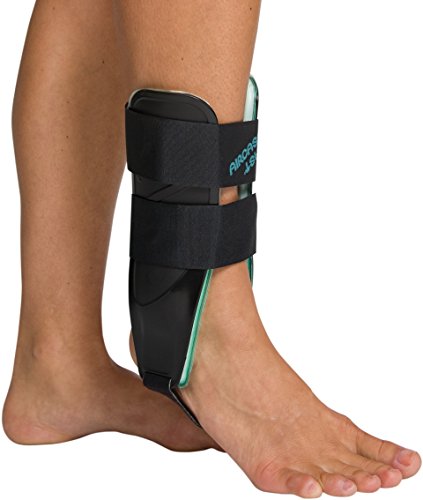
Aircast Air-Stirrup Ankle Brace for Acute Injury, Post Op, Ankle Sprains, Chronic Instability | Can Aid in Reducing Swelling and Preventing Further Injury | Universe
Best for: Acute injury, post-op support, ankle sprains and swelling control
This model is aimed at people in the early stages of recovery, when swelling and the risk of re-injury are highest. The universal fit is intended to accommodate a range of ankle sizes.
Key specs
- Universal fit
- Stirrup-style support for acute injury, post-operative use and chronic instability
- Marketed to help reduce swelling and prevent further injury
Pros
- Universal sizing can reduce the need to match a specific size chart
- Covers acute, post-op and chronic use in one design
- Stirrup structure provides a firm feel for lateral stability
Cons
- Universal fit can feel less precise than a size-specific brace for some users
- Bulkier under narrow shoes than slimmer heel-focused designs
Bottom line: The best fit for someone recovering from a fresh sprain or surgery who needs one brace that works across several stages of healing.
View on AmazonAircast AirHeel Ankle Support Brace
Aircast AirHeel Ankle Support Brace Without Stabilizers, Medium
Best for: Heel and arch support without stabilizers
This brace focuses on the heel and the back of the foot rather than full lateral stabilizing bars. It suits people who need compression and heel support for mild issues or everyday comfort.
Key specs
- Medium size
- No stabilizers
- Heel-focused support design
Pros
- Slimmer profile than stabilized braces, easier to wear with shoes
- Heel-focused structure suits plantar and Achilles-area discomfort
- Lighter feel for all-day wear
Cons
- Without stabilizers, it offers less lateral control for significant instability
- Only one size is listed in the name, which limits fit options
Bottom line: Best for someone who needs gentle heel and arch support for mild discomfort rather than strong lateral protection after a severe roll.
View on AmazonAircast Airlift PTTD Ankle Support Brace
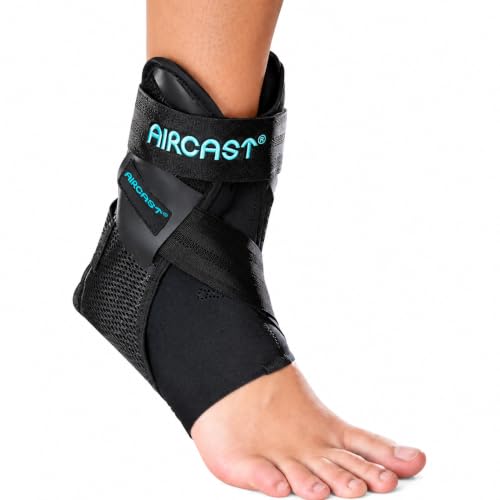
AIRCAST Airlift PTTD Ankle Support Brace, Right Foot, Large
Best for: Posterior tibial tendon dysfunction and larger ankles
This model is designed for posterior tibial tendon dysfunction, a condition that affects the inner ankle and arch. Its large, right-foot size makes it a better match for people with bigger ankles or feet.
Key specs
- Right foot, large size
- Designed for PTTD-related support
- Arch and inner-ankle support structure
Pros
- Large size covers a wider range of ankle and foot dimensions
- Purpose-built for PTTD, rather than a general-purpose design
- Supports the arch, which many general braces do not address directly
Cons
- Size and foot-side specificity means a left-foot or different size requires another model
- Its condition-specific design may be unnecessary for simple sprains
Bottom line: The right pick for someone with PTTD or a flatfoot-related problem who needs arch support in a large size, ideally after confirming the diagnosis with a clinician.
View on AmazonBuying Guide
Match the Brace to Your Injury Stage
Acute sprains, post-operative recovery and chronic instability call for different levels of support. A brace suited to a fresh roll may feel too rigid for long-term use, and a light heel support may not control a recurring instability problem. Think about where you are in recovery before you choose.
Good picks for this: Aircast Air-Stirrup Ankle Brace, Aircast Airsport Ankle Brace
Check the Size and Foot Side
Many Aircast models are sold by foot side and size, so the listing name matters. Measure your ankle circumference at the narrowest point above the ankle bone and compare it to the manufacturer’s size chart. A brace that is too loose will not stabilize, and one that is too tight can restrict circulation.
Good picks for this: Aircast Airlift PTTD Ankle Support Brace, Aircast AirHeel Ankle Support Brace
Consider Lateral Stabilizers
Stabilizers, usually rigid or semi-rigid bars along the sides of the ankle, help limit inward and outward movement. Braces without stabilizers provide compression and heel support but less protection against rolling. If you have a history of instability, favor a model with lateral support.
Good picks for this: Aircast Airsport Ankle Brace, Aircast Air-Stirrup Ankle Brace
Think About Footwear Fit
A brace has to fit inside your shoe. Bulkier designs can make a snug athletic shoe feel tight, which may change your foot position. Try the brace with the shoes you actually plan to wear, and check that the laces or closures still work with it in place.
Good picks for this: Aircast AirHeel Ankle Support Brace, Aircast Air-Stirrup Ankle Brace
Evaluate Durability and Comfort for Daily Wear
If you plan to wear the brace through a full sports season or a long workday, the materials and padding matter. Owners frequently mention comfort during extended wear as a deciding factor, so look for breathable fabrics and padding that does not bunch up.
Good picks for this: Aircast Airsport Ankle Brace, Aircast Airlift PTTD Ankle Support Brace
Match the Brace to Your Condition
Some Aircast models target specific conditions, such as posterior tibial tendon dysfunction. A condition-specific design can offer targeted support, but it is not always the right choice for a simple sprain. Know your diagnosis before choosing a specialized model.
Good picks for this: Aircast Airlift PTTD Ankle Support Brace, Aircast AirHeel Ankle Support Brace
Plan for Care and Replacement
Remove the brace to clean the skin and check for irritation, and allow the ankle to air out. Replace the brace when the straps lose elasticity, the stabilizers bend, or the fit feels loose. Consistent use only helps if the brace still holds its shape.
Good picks for this: Aircast Air-Stirrup Ankle Brace, Aircast Airsport Ankle Brace
FAQ
Can I wear an Aircast ankle brace during sports?
Many people wear ankle braces during sports for added lateral support, but the right choice depends on your injury and activity. Stabilized models generally suit sports with cutting and lateral movement. If you have a recent injury, ask a physical therapist or physician before returning to play.
How tight should an ankle brace feel?
The brace should feel snug and supportive without causing numbness, tingling, or color changes in your toes. If you notice any of these, loosen the straps. Check your toes and skin regularly during the first few wearings.
Should I wear an ankle brace all day?
That depends on your condition and your clinician’s advice. Some people wear a brace during activity only, while others use it for longer periods during recovery. Do not wear one overnight unless a professional has told you to.
How do I know which foot side and size to order?
Check the listing name for the foot side and size, then compare your measurements to the manufacturer’s size chart. Ankle circumference is usually measured at the narrowest point above the ankle bone. If you are between sizes, choose based on the manufacturer’s guidance.
Is an ankle brace the same as an ankle sleeve?
No. Compression sleeves provide mild warmth and light support, while braces include structural elements such as stabilizers or straps that limit motion. For significant instability, a brace is generally more protective.
When should I see a doctor about an ankle injury?
See a doctor if you cannot bear weight, notice significant swelling or deformity, have numbness, or if pain does not improve after a few days of rest and support. Persistent instability should also be evaluated. Always consult a qualified healthcare professional before starting a brace program for a diagnosed condition.
Conclusion
Each of these four Aircast models targets a different situation. The Airsport suits chronic instability, the Air-Stirrup fits acute injury and recovery, the AirHeel offers lighter heel support, and the Airlift PTTD addresses posterior tibial tendon dysfunction in a large size. Match the brace to your injury stage, measure carefully, and confirm your condition with a clinician when in doubt. For further reading, see 4 Best Aircast Ankle Support Brace Options for Sprains and Instability (2026), Aircast Stirrup Ankle Brace Review: Is It Worth It?, Bioskin Trilok Ankle Brace: Fit, Support and Use Guide for Basketball and 6 Best Basketball Ankle Support Brace Picks for Court Play (2026).
Sources
- General guidance on injury prevention and recognizing when an injury needs medical attention (cdc.gov)
- Research summaries on ankle sprains, instability and rehabilitation (nih.gov)
- Patient information on ankle injuries, bracing and orthopedic care (aaos.org)
Related reading
About Graham Fisher
Graham Fisher is part of our editorial team and reviews and edits our basketball endurance & training gear guides, checking product details against manufacturer specifications and owner feedback.
About the author
Graham Fisher writes reviews and buying guides for Basketball Marathon.