Aircast Air-Stirrup Ankle Brace Review: Features and Performance
Read our research-based aircast air-stirrup ankle brace review covering specs, pros and cons, fit, and who should buy it for sprains and ankle support.
 By Graham Fisher
Updated November 8, 2026
 By Graham Fisher
Updated November 2026
The aircast air-stirrup ankle brace is a semi-rigid, lace-free support designed for people dealing with acute ankle injuries, sprains, post-operative recovery, or chronic ankle instability. It pairs a plastic stirrup shell with inflatable air chambers that compress the ankle and help limit swelling. This review is research-based: it draws on manufacturer specifications and patterns that owners commonly describe, not on our own hands-on testing. It is a good fit for anyone who needs structured side-to-side control during early recovery or a return to activity under a clinician’s guidance. It is a poor fit for people who want a light, low-profile sleeve for everyday wear, or for athletes who need a brace that disappears inside a basketball shoe during fast cutting.
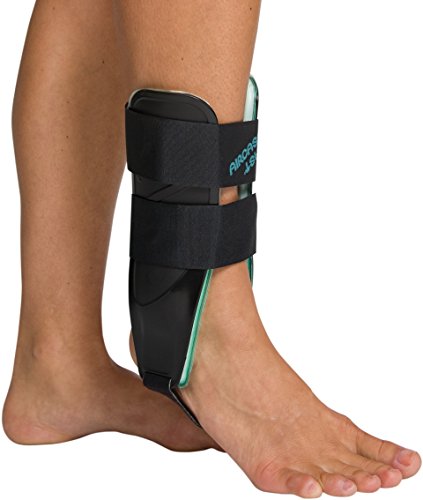
Aircast Air-Stirrup Ankle Brace for Acute Injury, Post Op, Ankle Sprains, Chronic Instability | Can Aid in Reducing Swelling and Preventing Further Injury | Universe
Product Overview
The Aircast Air-Stirrup is one of the best-known ankle braces in the sports medicine and orthopedic world. The “stirrup” name refers to its rigid side bars that run along the outside and inside of the lower leg and wrap under the heel. These bars resist inversion and eversion, the rolling motions behind most ankle sprains. The air component is what sets the brace apart from a basic plastic stirrup: air chambers inside the wrap are inflated by hand to create even compression around the ankle, which many users find more comfortable than rigid straps alone.
The brace is typically worn over a sock or thin layer and fastened with hook-and-loop straps. It is designed to be worn inside a shoe, which makes it easier to use for walking and light activity than a full cast or walking boot. Because it is an off-the-shelf device, it does not require a custom fitting, but sizing matters a great deal, and the manufacturer’s measurement chart should be followed closely. The product is intended for use after a clinician has evaluated the injury.
Key Features & Specifications
The table below summarizes the features named in the product listing and the characteristics the manufacturer generally describes. Confirm exact dimensions and sizing on the packaging or the Amazon listing before ordering, since sizing charts can be updated.
| Feature | Details |
|---|---|
| Brace type | Semi-rigid stirrup with inflatable air chambers |
| Intended use | Acute injury, post-operative support, ankle sprains, chronic instability |
| Support direction | Limits side-to-side (inversion and eversion) movement |
| Compression | Adjustable via hand-inflated air chambers |
| Closure | Hook-and-loop straps |
| Fit | Worn inside a standard athletic or everyday shoe |
| Sizing | Sized by shoe or calf measurement per manufacturer chart |
| Marketed benefit | Can help reduce swelling and reduce risk of further injury |
Manufacturers generally specify that the brace should be worn over a thin sock and that the air chambers should be inflated only to a comfortable snugness, not to the point of numbness or tingling. Stop use and seek medical advice if the foot becomes cold, pale, or discolored.
Pros & Cons
Pros
- Side bars provide meaningful lateral stability compared with a basic elastic sleeve.
- Air chambers allow compression to be adjusted by hand, which can help with swelling control.
- Fits inside a regular shoe, so it is practical for walking and daily tasks during recovery.
- Hook-and-loop closure is quick to put on and remove, which helps with frequent checks.
- Widely recognized in clinical and athletic settings, so many users have a reference point for its use.
Cons
- Bulkier than sleeves or lace-up braces, which can make it harder to fit into a tight court or cleat shoe.
- Air chambers can lose pressure over time, so owners often recheck fit before each session.
- Sizing errors are common; a brace that is too loose offers little support and one that is too tight can restrict circulation.
- Not designed for sport-specific cutting and jumping the way some dedicated court braces are.
- Requires a clinician’s input for proper use after an injury, which adds an extra step.
Performance Analysis
Based on the specifications and the patterns that owners and clinicians commonly describe, the Air-Stirrup performs best in two situations: the early phase after an acute sprain, and periods of chronic instability where the ankle tends to give way on uneven ground. In those settings, the rigid side bars do most of the work. They limit the extreme inversion angles that typically cause ligament damage, while the air chambers help manage the compression that comes with swelling.
Performance in active use is more of a trade-off. The brace is thicker than many athletic sleeves, which can change the feel of a shoe and reduce ankle proprioception somewhat. Many users find that a snug fit under a lighter shoe works better than trying to force the brace into a tight high-top. Owners who return to sport often report that they gradually reduce brace use as strength and balance improve, rather than relying on the brace indefinitely. That approach usually matches what physical therapists recommend, since long-term reliance on external support can slow neuromuscular retraining.
Comfort varies. Some users report that the air chambers feel supportive after a few minutes of adjustment, while others find the stirrup edges press on the malleoli if the brace is not positioned correctly. Taking time to center the brace on the ankle, then inflating the chambers evenly, tends to solve most early comfort problems.
Who Should Buy This Product?
This brace suits people who have been evaluated for an ankle sprain, are recovering from surgery and have been cleared to bear weight, or have chronic instability that causes repeated rolling. It also works for those who need a supportive brace for daily walking during recovery and want something more structured than a compression sleeve.
You should probably skip it if you want a thin, lightweight brace for a sport that demands precise footwork, such as competitive basketball or volleyball, where a lower-profile lace-up or compression design may fit better. It is also not the right choice if you have not been assessed for your injury, as the appropriate support level depends on the specific ligament and severity involved.
Buying Guide
Before buying any ankle brace, take these steps to choose the right one:
- Get the injury assessed. A clinician can tell you whether you need a stirrup-style brace, a lace-up, or a rigid device, and whether you should avoid weight-bearing for a period.
- Measure carefully. Use the manufacturer’s chart. For shoe-size-based sizing, measure your actual shoe. For calf-based sizing, measure at the widest point of the calf and note the location.
- Check the shoe fit. Try the brace inside the shoe you plan to wear. A brace that bunches under the foot or pushes the heel forward will cause problems.
- Plan for progression. Ask your provider how long to wear the brace and when to transition to a lighter support.
If the Air-Stirrup is not the right fit, these well-known alternatives are worth comparing. The Aircast Airsport Ankle Brace uses a similar air-and-support approach with a different strap and shell design, which some users find more comfortable for active wear.
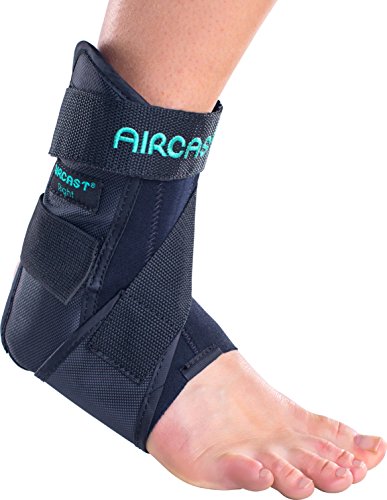
Aircast Airsport Ankle Brace for Chronic Ankle Instability, Sprained Ligaments and Strained Muscles or Tendons | Durable and Comfortable| RIGHT, Medium
For a lighter, sleeve-style option aimed at everyday support and mild sprains, the WHCOOL Slim-Fit Ankle Brace is a common choice. It uses a quick lace-up closure and two padded inserts, which makes it easy to adjust, though its level of lateral control is generally lower than a rigid stirrup. Read the sizing chart carefully, since its sizing is given in calf-width ranges.

WHCOOL Slim-Fit Ankle Brace for Sprained Ankle, Quick Lace Up Ankle Support for Women Men With 2 Auto-Shaped Pads, Air Fabric Cool Ankle Stabilizer for Injury Recover, Running,Sports, M(12”-13”)
For more context on how these options compare across use cases, see Aircast Ankle Support Brace Review: Is It Worth It? and 4 Best Aircast Ankle Support Brace Options for Sprains and Support (2026). Athletes looking at court-specific choices may also find 8 Best Ankle Braces for Basketball Players (2026) useful, and anyone dealing with a rolled ankle may want to read Ankle Brace for Rolled Ankle: 5 Best Picks for Support and Recovery (2026).
FAQ
Is the aircast air-stirrup ankle brace good for a sprained ankle?
It is commonly used for acute sprains because its side bars limit the rolling motion that typically causes further damage. Whether it is appropriate for your injury depends on severity, so have a clinician evaluate the ankle first.
Can I wear the air stirrup ankle brace inside my shoes?
Yes, it is designed to fit inside a standard athletic or everyday shoe. Test the fit in the shoe you plan to use, since a snug shoe may need to be exchanged for a roomier one.
How tight should the air chambers be?
Inflate them to a comfortable snugness that supports the ankle without causing numbness, tingling, or color change in the toes. Recheck pressure periodically, especially in the first days of use.
How do I know what size to order?
Follow the manufacturer’s sizing chart. Many owners recommend measuring the calf or shoe size directly rather than guessing, and checking the chart before ordering.
Can I sleep in an air stirrup ankle brace?
Most clinicians advise removing braces at night unless specifically instructed otherwise. Ask your provider for guidance based on your injury.
Is this brace suitable for basketball?
It can offer support during recovery and for players with chronic instability, but its bulk may not suit every player. Many athletes choose lower-profile braces for active court play once cleared.
How long should I wear it?
Wear time depends on your injury and recovery stage. Follow your clinician’s plan and gradually reduce use as strength and balance return.
Does it help with swelling?
The brace is marketed as a way to help reduce swelling through compression, and that compression can be adjusted with the air chambers. Elevation, rest, and medical guidance remain important parts of managing swelling.
Final Verdict
The aircast air-stirrup ankle brace earns its reputation for structured lateral support during acute injury recovery, post-operative use, and chronic instability. Its side bars and adjustable air compression are its main strengths, and its fit inside a regular shoe makes it practical for daily life. Its bulk and sizing sensitivity are its main drawbacks, and it is not a substitute for a clinical evaluation. If you need a supportive brace during recovery and have been assessed, it is a solid choice. If you need a thin brace for competitive court play, look at the alternatives above first.
View on AmazonNote: This content is for general information only and is not medical advice. Consult a physician, physical therapist, or other qualified healthcare professional before choosing or using any ankle brace, especially after an injury or surgery.
Related reading
About Graham Fisher
Graham Fisher is part of our editorial team and reviews and edits our basketball endurance & training gear guides, checking product details against manufacturer specifications and owner feedback.
About the author
Graham Fisher writes reviews and buying guides for Basketball Marathon.