Can I Use Indoor Soccer Shoes for Basketball? Pros, Cons and Verdict
Can I use indoor soccer shoes for basketball? Compare support, traction, lateral stability and durability to see which shoe fits your court play.
 By Colin Foster
Updated November 26, 2026
 By Colin Foster
Updated November 2026
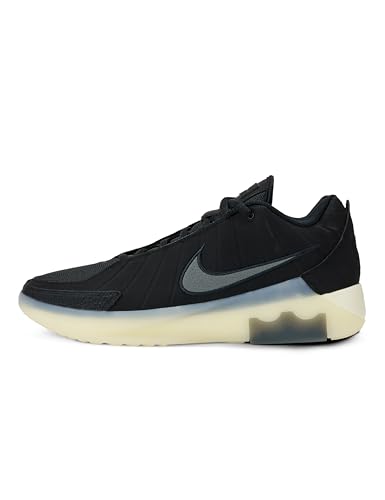
Can I use indoor soccer shoes for basketball? The short answer is yes, for light recreational play, but not for most players who run full-court games. Indoor soccer shoes are built for flat, low-profile movement and quick touches, while basketball shoes are built for jumping, landing and sharp lateral cuts. If you play a few casual pickup games a week and stay mostly on your feet, indoor soccer shoes can work. If you jump often, guard hard or play several hours at a stretch, a dedicated basketball shoe is the better buy.
| Criterion | Indoor Soccer Shoes | Basketball Shoes |
|---|---|---|
| Ankle support | Low-cut, minimal lateral support | Mid or high collar with structured heel counter |
| Cushioning under the heel | Thin, designed for ground contact | Thicker heel unit for landings |
| Lateral stability | Good for short, quick direction changes | Stronger for repeated cuts and stops |
| Traction on hardwood | Often good on smooth indoor surfaces | Rubber patterns tuned for court grip and pivots |
| Jumping and landing | Not designed for repeated vertical load | Built to absorb jump landings |
| Weight | Typically lighter | Often heavier due to added support |
| Durability on court | Outsole may wear faster under hard cutting | Outsoles designed for court wear |
| Best fit | Casual play, light wear | Regular or competitive play |
Ankle Support: Basketball Shoes Win
Ankle support is the first thing to check. Most indoor soccer shoes sit low on the ankle, which gives you freedom of movement but little resistance to rolling. Basketball players constantly land on other people’s feet, plant hard on one leg and change direction at speed. A mid-top or high-top basketball shoe adds a padded collar and a firmer heel counter that holds your ankle in place. Many players who roll an ankle in soccer-style footwear report that the problem is less about the sport and more about the shoe lacking a stable heel. If you have a history of sprains, a basketball shoe with a supportive collar is the safer choice. For extra protection, a dedicated ankle brace can be added under either shoe, and the Med Spec ASO Ankle Brace: Fit, Support and Basketball Use Guide covers how to size and wear one. Consult a sports medicine professional or physical therapist if you have recurring ankle injuries.
Winner: basketball shoes.
Cushioning and Impact Protection: Basketball Shoes Win
Jumping is where indoor soccer shoes show their limits. Soccer involves some jumping, but a basketball player may land from a rebound or layup dozens of times in a single game, each time absorbing several times body weight through the feet and legs. Basketball shoes usually carry a thicker heel unit and a more responsive forefoot to handle those repeated landings. Indoor soccer shoes tend to keep the sole thin for ground feel, which is useful for ball control but less forgiving when you come down hard. Players with knee or shin sensitivity often feel the difference after a long session. If you must use soccer shoes, keep your jumping to a minimum and avoid tall rebounding drills.
Winner: basketball shoes.
Lateral Stability and Cutting: Basketball Shoes Win
Lateral movement separates the two shoe types most clearly. Indoor soccer shoes handle quick, short bursts well because the flat, close-to-the-ground platform lets you pivot and touch the ball. But basketball involves hard stops, jab steps, crossovers and defensive slides, each of which loads the outside of the foot and the ankle sideways. Basketball shoes use wider lateral heel and midfoot straps, and their soles often flare at the edges to resist rolling. If you play guard or spend time sliding in a defensive stance, that structure matters a great deal. A useful test is to shuffle side to side for 30 seconds, then stop abruptly. If your foot slides inside the shoe or the heel feels loose, the shoe is not providing enough stability for basketball.
Winner: basketball shoes.
Traction on Hardwood: Tie, With Caveats
Traction is closer than most people expect. Indoor soccer shoes are designed for smooth indoor turf and hard indoor floors, so their rubber compounds grip well on polished wood and synthetic courts. Many players find them perfectly grippy for straight-line sprints and quick turns. The weakness is pivoting: basketball outsoles use herringbone, multidirectional or circular patterns that release and grab during hard pivots, and soccer patterns are often less refined for that movement. Check the outsole after a few sessions. If the sole is wearing smooth, traction on a court will drop quickly, regardless of which shoe you started with.
Winner: a near tie on basic grip, with basketball shoes ahead for pivots.
Durability and Weight: Basketball Shoes Win Narrowly
Indoor soccer shoes are usually lighter, which many players like for speed and quickness. That lower weight also means less material to absorb wear, so the outsole and upper may break down faster under hard basketball cutting. Basketball shoes add weight in the collar, heel and midsole, but manufacturers design their outsoles and uppers for the abrasion and stress of a full game. If you play two or three times a week, expect indoor soccer shoes to need replacing sooner. Rotating pairs and rinsing dust from the outsole after each session can extend the life of either type.
Winner: basketball shoes, mainly for durability under game stress.
Which Should You Choose?
- Choose indoor soccer shoes if you play casual, low-intensity pickup a few times a month and mostly move in straight lines.
- Choose indoor soccer shoes if you already own a pair and want to test basketball before buying a dedicated shoe, with the understanding that you should limit jumping.
- Choose basketball shoes if you play competitive games, jump regularly or guard on the perimeter.
- Choose basketball shoes if you have a history of ankle sprains or want the most support for lateral cuts.
- Choose basketball shoes if you train several hours a week and need footwear that holds up to repeated stops and landings.
For a basketball-specific option with strong court traction, you can start with Nike LeBron Witness or adidas Harden Vol. 8, both widely available models built for indoor play. If you prefer a lighter feel with good ankle coverage, the Puma Clyde All-Pro and Under Armour Curry Flow are common choices among court players.
Whichever you choose, pair your shoes with sound conditioning. A structured program using an Agility ladder or cone drills builds the quickness that either shoe type depends on. For broader court-specific shoe options, see 6 Best Shoes for Indoor Basketball: Our Top Picks for Court Play, which covers a wider range of models and fits.
Product options by type:
View on Amazon View on Amazon View on AmazonFAQ
Can I use indoor soccer shoes for basketball every day?
You can, but it is not ideal if you play basketball several times a week. Repeated jumping and cutting wears down the outsole and midsole faster in soccer shoes, and the lack of ankle support adds risk. Rotating in a basketball shoe for harder sessions helps.
Are indoor soccer shoes good for guards?
Generally, no. Guards make frequent hard stops, lateral slides and direction changes, which place high demands on heel and ankle stability. A basketball shoe with a firm heel counter is the better match for guard play.
Do indoor soccer shoes give enough grip on a basketball court?
For straight-line movement, often yes. For hard pivots and stops, basketball outsoles with multidirectional patterns usually grip better. Check the sole regularly, because worn rubber reduces traction in either shoe.
Will playing basketball in soccer shoes hurt my ankles?
It can increase the chance of a roll or sprain, particularly if you have had past ankle injuries. Using an ankle brace and limiting jumping can reduce risk. If you have ongoing ankle pain, consult a physical therapist or sports medicine doctor before continuing.
What is the main difference between indoor soccer shoes and basketball shoes?
Basketball shoes add ankle support, heel cushioning and lateral stability for jumping and cutting. Indoor soccer shoes are lower, lighter and more flexible, which favors touch and quick straight-line movement. Choose based on how much jumping and lateral work your game involves.
Conclusion
So, can I use indoor soccer shoes for basketball? Yes for light, occasional play where you rarely jump or cut hard. For regular or competitive basketball, basketball shoes are the better choice because they offer stronger ankle support, better landing cushioning, superior lateral stability and more durable outsoles. Match your shoe to how you actually play, and treat your footwear as part of your endurance plan, not an afterthought.
Before you buy: helpful guides
- Med Spec ASO Ankle Brace: Fit, Support and Basketball Use Guide
- Bioskin Trilok Ankle Brace: Fit, Support and Use Guide for Basketball
- Basketball Knee Pads Pair: How to Choose, Fit and Use Them (2026)
- Adidas Techfit Knee Pads Basketball: How to Choose, Fit and Use Them (2026)
- Mueller Knee Pads Basketball: How to Choose, Fit and Use a Pair
Related reading
- 6 Best Basketball Shoes for Indoor Soccer Players (2026)
- 4 Best Indoor Soccer Shoes for Basketball Court Play (2026)
About Colin Foster
Colin Foster is part of our editorial team and reviews and edits our basketball endurance & training gear guides, checking product details against manufacturer specifications and owner feedback.
About the author
Colin Foster writes reviews and buying guides for Basketball Marathon.