SKLZ Speed and Agility Ladder Review: Pros and Cons
Is the SKLZ speed and agility ladder worth buying for basketball footwork? See its specs, pros, cons, and who should skip it before you order.
 By Colin Foster
Updated November 11, 2026
 By Colin Foster
Updated November 2026
The sklz speed and agility ladder is a flat, 10-foot training ladder built for players who want a simple, durable tool for footwork and foot speed. It suits basketball players, soccer and football athletes, and anyone who wants structured quickness work on a driveway, gym floor, or turf. It is a good fit for players who will use it several times a week and want a ladder that lays flat and stays put. Players who need a portable set with cones and hurdles, or who train mostly on uneven outdoor ground, may find better value elsewhere. Parents buying for young children should also look at lighter, shorter options first.
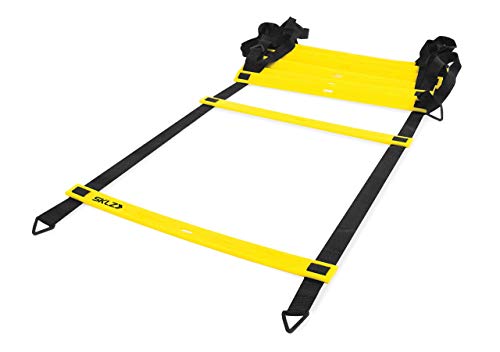
SKLZ Speed and Agility Ladder, Pro, 10'
Product Overview
The SKLZ Speed and Agility Ladder Pro is a 10-foot ladder designed for footwork drills, ladder patterns, and quickness work. Its listing name identifies it as the Pro model in the 10-foot length, which places it at the more serious end of SKLZ’s ladder lineup. The ladder is meant to be laid flat on a hard surface, and its rungs are spaced to create a consistent path for foot drills. Athletes use it to practice quick feet, lateral movement, and rhythm, and it is common in both team training and solo conditioning routines.
For basketball players, the value of a ladder like this is mostly about rhythm and touch. Quick, light contacts with the ground train the small muscles and reflexes that support first-step quickness and change-of-direction work on the court. A ladder does not build raw strength, so it works best alongside sprint, jump, and strength training. If you are new to ladder work, the ground-level exercises are low impact and easy to scale, which makes them a reasonable entry point. For a broader view of how ladder training fits into a plan, see Speed & Agility Ladder Training: A Step-by-Step Guide for Basketball Players.
Key Features & Specifications
The table below lists only the specifications that the product name confirms. Check the manufacturer’s listing for materials, rung spacing, and warranty details before purchasing, as these can change between production runs.
| Feature | Detail |
|---|---|
| Brand | SKLZ |
| Product line | Speed and Agility Ladder, Pro |
| Length | 10 feet |
| Intended use | Footwork, foot speed, and agility drills |
| Setup | Lay flat on a firm, level surface |
| Suitable sports | Basketball, soccer, football, and general speed training |
Pros & Cons
Pros
- A 10-foot length gives enough room for most standard ladder patterns, including two-foot, in-and-out, and lateral shuffle drills.
- The ladder is simple to set up. Unrolling it on a flat surface is usually all that is required.
- It works across several sports, which makes it useful for multi-sport athletes.
- Owners often report that it stays reasonably in place on smooth indoor floors when laid flat.
- It is compact to store compared with bulky hurdle or cone sets.
Cons
- It is a single ladder only, so drills that combine ladders with hurdles or cones require separate equipment.
- On outdoor surfaces, owners often mention that it can shift if not anchored or placed on a smooth, level area.
- A 10-foot length may feel short for athletes who want longer, multi-pattern routines.
- It offers no built-in resistance or cardio load, so it must be paired with other conditioning.
Performance Analysis
Performance with any agility ladder depends on three things: the surface, the drills, and the athlete. The sklz speed and agility ladder performs best on hard, flat, non-slip surfaces such as a gym floor, sealed garage floor, or smooth outdoor pavement. On carpet, the ladder can bunch up and make some drills harder to execute cleanly. On grass or uneven asphalt, the rungs may not sit flat, which changes foot placement and can add a stumbling risk.
From a training standpoint, a 10-foot ladder is a solid length for the core patterns most coaches use. Single-foot and two-foot in-and-out drills, lateral shuffles, and the Ickey shuffle all fit comfortably. Athletes who want to progress often add speed variations, such as moving from a walk to a jog to a full-speed run through the ladder, or adding a reaction cue from a partner. For a set of drills to build from, see Agility Ladder Training Exercises: 10 Drills to Build Foot Speed.
Durability is usually tied to how the ladder is handled. Owners who roll it up after use and keep it away from heavy vehicles or sharp edges generally report longer service. Because the ladder is light, it is best to anchor it or check its position before each session to keep the rungs aligned.
A few training principles help get the most from any ladder. Keep contacts quick and light, stay on the balls of your feet, and maintain an athletic posture with knees slightly bent. Focus on accuracy first, then speed. Most coaches suggest sessions of 10 to 15 minutes, with rest between sets, rather than long continuous runs that can lead to sloppy form.
Who Should Buy This Product?
This ladder is a strong match for basketball players and other court or field athletes who want a dedicated tool for footwork. It suits players who will train several times a week and need a ladder that lays flat in a garage, driveway, or gym. Coaches who run small group sessions will also find it useful, since one ladder can support several drills in rotation if there is enough space.
It is less suitable for buyers who want a full agility kit in one purchase. If you need cones, hurdles, and multiple ladders, a set is a better choice. Players who train almost exclusively on grass or rough outdoor ground may also find the ladder frustrating, and very young children may do better with a shorter, lighter option. If you are unsure whether a ladder fits your plan at all, the alternatives section below covers other approaches.
Buying Guide
Before you buy any agility ladder, consider length, surface, and what else you need. A 10-foot ladder is a common standard, but if you want to run longer or combined patterns, a longer ladder or a multi-ladder set may serve you better. Check whether you train indoors or outdoors, since rung stability and rolling behavior differ by surface. Think about storage space too, because a flat ladder is easy to store but still needs a clear area to unroll.
Also consider whether you want a single ladder or a complete training system. Solo athletes often do well with one ladder. Coaches and multi-sport families may prefer a set that includes cones or hurdles. Below are three well-known alternatives, each suited to different needs.
- SKLZ Quick Ladder is a shorter, lighter SKLZ option. It is a reasonable choice for younger athletes or anyone who wants a compact ladder for limited space.
SKLZ Quick Ladder Running-equipment, 15-Feet US, Yellow
- BORNEW 2 Pack Agility Ladder Speed Training Equipment Set bundles a 26-foot total ladder length with cones, adjustable hurdles, and a jump rope. It suits coaches, team families, and athletes who want a full kit in one purchase.

BORNEW 2 Pack Agility Ladder, Soccer Speed Training Equipment Set | Total 26 ft Agility Ladder, 12 Cones, 4 Adjustable Hurdles, Jump Rope, for Soccer, Basketball, Football, Kids, Youth, Adults
For a wider look at options, our roundup of 8 Best Speed Agility Training Ladder Picks for Athletes (2026) compares several styles. If you are weighing a ladder against hurdles, Hurdles vs Agility Ladder (2026): Which Is Better for Speed Training? explains the trade-offs.
FAQ
Is the SKLZ speed and agility ladder good for basketball?
Yes, for footwork and foot speed. A 10-foot ladder supports the common patterns basketball players use to build quick first steps and lateral movement. It should be paired with sprinting, jumping, and strength work for complete training.
How long should I train with an agility ladder?
Many coaches recommend sessions of about 10 to 15 minutes, focused on quality over volume. Rest between sets and stop when your form breaks down.
Can I use this ladder on grass?
It is designed for flat, firm surfaces. On grass or uneven ground, the rungs may not lie flat, which can affect foot placement. A hard, level surface is the better choice.
Does the ladder need to be anchored?
Anchoring is not always required on smooth indoor floors, but owners often report that it can shift outdoors. Checking its position before each session is a practical habit.
Is a 10-foot ladder long enough?
For most standard drills, yes. Athletes who want longer or more complex patterns may prefer a longer ladder or a multi-ladder setup.
Can younger athletes use this ladder?
Older children and teens can typically use it with supervision. For younger kids, a shorter, lighter ladder is usually more appropriate. If you have questions about a child’s physical readiness for training, consult a pediatrician or qualified coach.
How should I store the ladder?
Roll or fold it carefully after use and keep it out of direct sun, heavy objects, and sharp edges. Dry storage helps preserve the material over time.
Final Verdict
The SKLZ speed and agility ladder Pro is a practical, straightforward tool for basketball players and other athletes who want a dedicated footwork trainer. Its 10-foot length covers the core drills, and its flat-lay design keeps setup simple. It is best on hard, level surfaces and for athletes who will use it consistently. Buyers who need a full kit, or who train mainly outdoors on uneven ground, should weigh the alternatives first. For most players focused on court footwork, it is a sensible, no-frills choice. Check the current listing for the latest details before you buy.
View on AmazonAbout Colin Foster
Colin Foster is part of our editorial team and reviews and edits our basketball endurance & training gear guides, checking product details against manufacturer specifications and owner feedback.
About the author
Colin Foster writes reviews and buying guides for Basketball Marathon.